
The 4-Day Inca Trail to Machu Picchu is not just a hike, but one of the most iconic trekking experiences in the world. Following ancient stone paths that once formed part of the legendary Qhapaq Ñan, this route leads you through diverse Andean landscapes, from high mountain valleys to lush cloud forests, offering a deep connection with Inca engineering and spiritual heritage.
Throughout the 42 kilometers (26 miles) of trekking, hikers explore exclusive archaeological sites only accessible on foot, including Patallacta, Runkurakay, Sayacmarca, and Phuyupatamarca. One of the greatest challenges is reaching Dead Woman’s Pass (Warmiwañusca) at 4,215 meters (13,828 ft), a demanding ascent rewarded with breathtaking views, pristine nature, and unforgettable moments among orchids, hummingbirds, and mist-covered mountains.
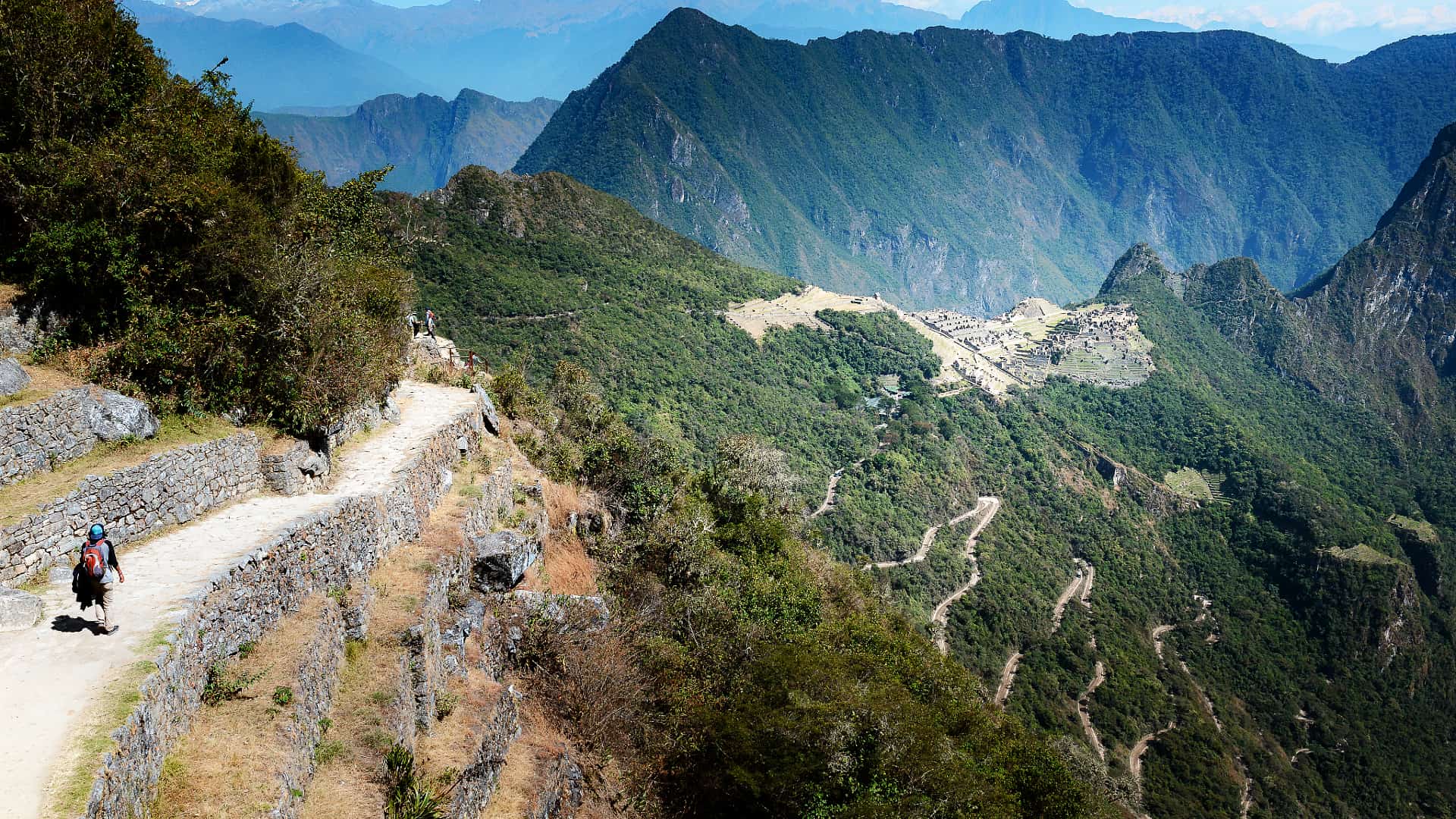
The journey reaches its emotional peak with the arrival at Machu Picchu through Intipunku (the Sun Gate). Inca Trail hikers are the only visitors who enter the citadel at sunrise, witnessing Machu Picchu slowly emerge under the first golden light of day. This final moment transforms the trek into a once-in-a-lifetime experience and a powerful tribute to the legacy of the Inca civilization.
Duration
Group Size
Maximum Altitude
Level of Difficulty
Type of Service
Qualification
Itinerary
Day 1: Cusco – Km 82 – Huayllabamba
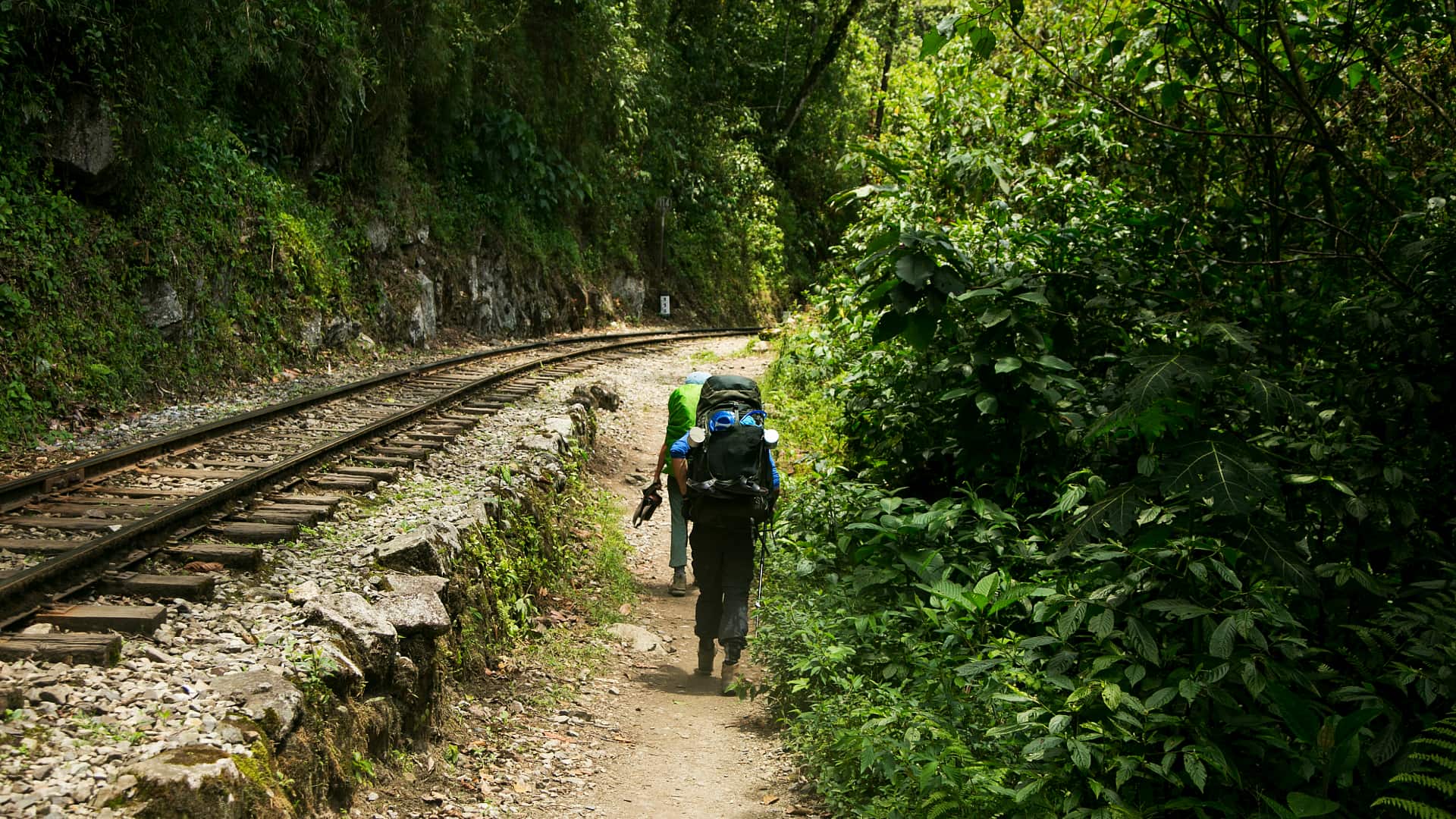
We begin at Km 82 (Piscacucho). A warm-up hike along the Urubamba River leads us to the Patallacta archaeological site. We’ll enjoy semi-arid valley landscapes before camping in the small village of Huayllabamba.
Day 2: The Challenge of Warmiwañusca
The most demanding day. We ascend through Andean forest to Dead Woman’s Pass, the highest point of the trail. The views are spectacular. We then descend into the Pacaymayo Valley for our second campsite.
Day 3: Cloud Forests and Sacred Sites
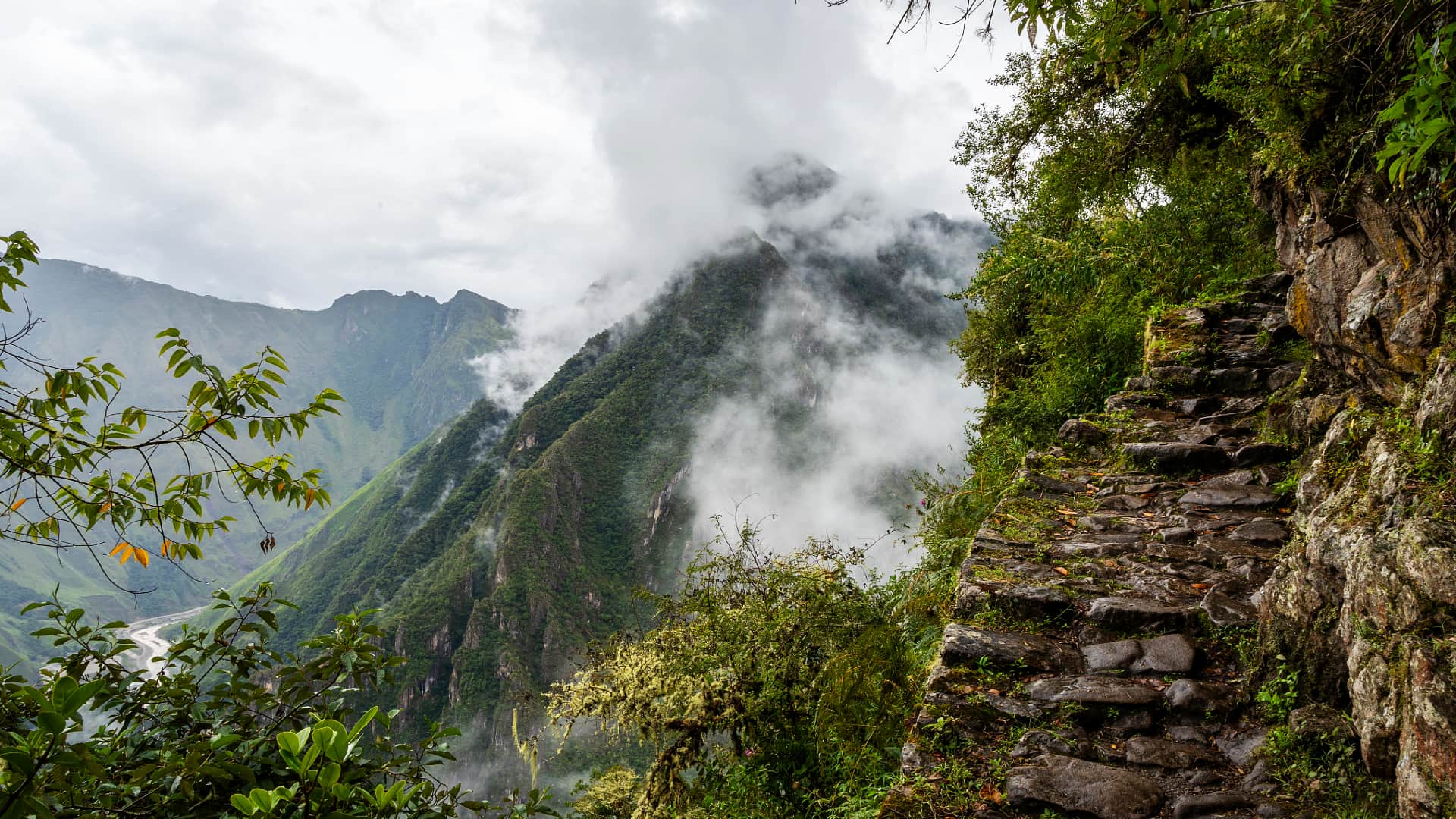
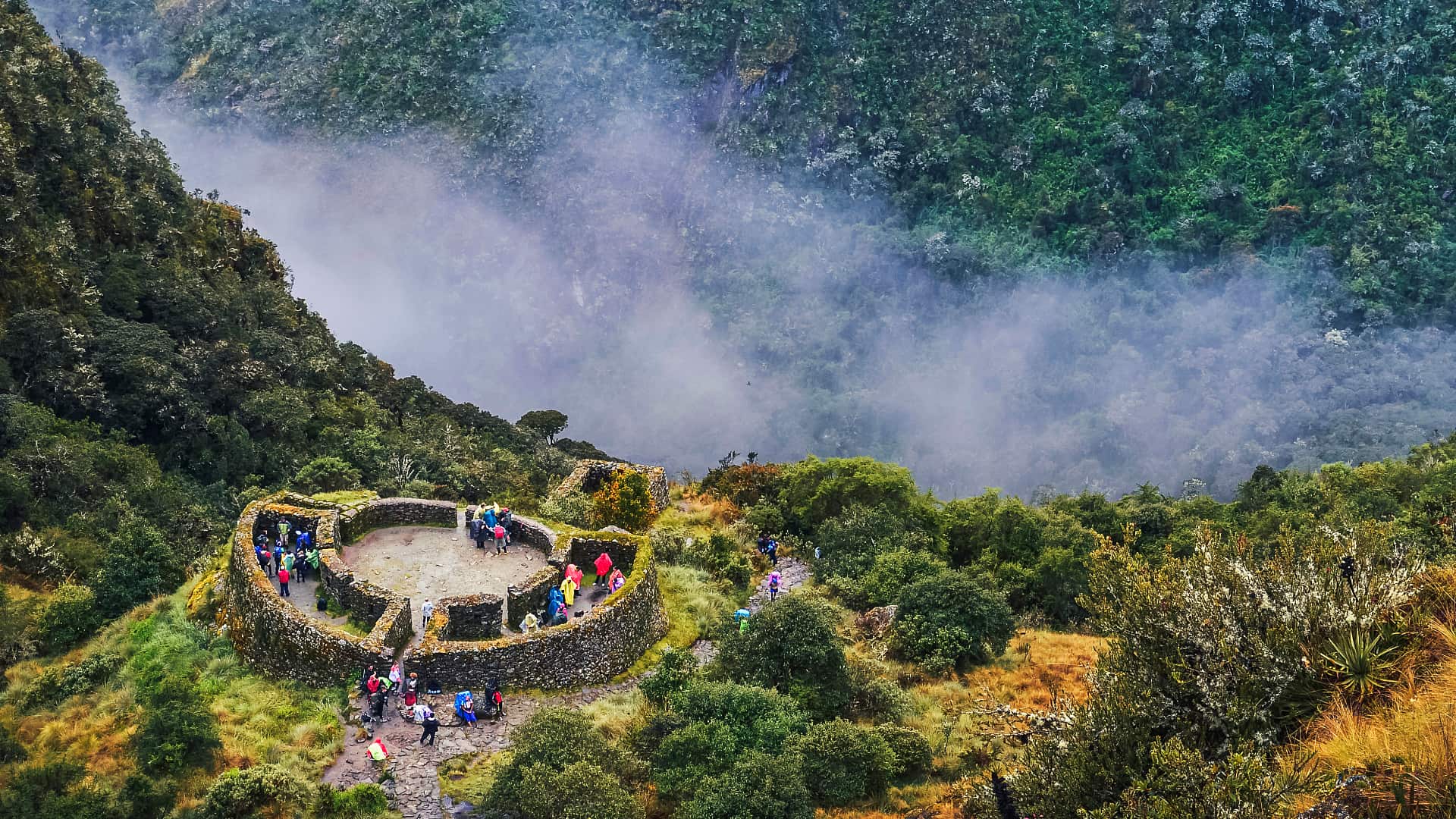
We visit Runkurakay and Sayacmarca, where the scenery dramatically shifts into humid cloud forest. Passing through Inca tunnels, we reach Phuyupatamarca (“City Above the Clouds”) and finish the day at Wiñay Wayna, the most beautiful archaeological site before Machu Picchu.
Day 4: The Sun Gate and Machu Picchu
We wake up very early to hike to Intipunku (Sun Gate), where we witness sunrise over Machu Picchu. We then descend to the citadel for a guided tour before returning to Cusco by train.
Includes
- Pre-departure briefing
- Private transportation from Cusco to the trailhead
- Official Inca Trail permits and Machu Picchu entrance ticket
- Professional bilingual guide specialized in archaeology
- High-altitude camping equipment and dining tent
- Full meals (3 breakfasts, 3 lunches, 3 dinners) with vegetarian options
- Porters for camping equipment and food
- First aid kit and oxygen
- Return train (Expedition or Vistadome) and bus from Machu Picchu
Not include
- Sleeping bag (available for rent)
- Personal porter (optional, for private gear)
- Breakfast on Day 1 and lunch on Day 4
- Tips for guides and porters
Recommendations
- Advance Booking: Essential! Permits sell out 5–6 months in advance due to the daily limit of 500 people.
- Acclimatization: Stay in Cusco at least 2–3 days before the trek to avoid altitude sickness.
- Gear: Well-broken-in trekking boots, thermal clothing, rain gear, headlamp, and ergonomic backpack.
- February Closure: The Inca Trail is closed every February for maintenance and heavy rains.
Frequently Asked Questions
How far in advance should I book the 4-day Inca Trail?
The Inca Trail has a strict daily limit of permits and usually sells out 5 to 6 months in advance, especially during the high season (May–September). Early booking is strongly recommended.
How difficult is the Classic Inca Trail trek?
The trek is considered moderate to challenging, mainly due to altitude and steep ascents, particularly on Day 2 when crossing Dead Woman’s Pass at 4,215 m (13,828 ft).
Do I need previous trekking experience to do the Inca Trail?
Previous hiking experience is helpful but not mandatory. A good level of physical fitness, proper acclimatization, and a positive mindset are essential to enjoy the trek safely.
What is the maximum altitude reached on the Inca Trail?
The highest point is Warmiwañusca (Dead Woman’s Pass) at 4,215 meters / 13,828 feet above sea level, reached on the second day of the trek.
Why is the Inca Trail the only trek that enters Machu Picchu through the Sun Gate?
Only Inca Trail hikers are allowed to enter Machu Picchu through Intipunku (the Sun Gate) at sunrise, offering a unique and emotional first view of the citadel that no other route provides.
From Our Gallery
Recent Tours

Quelccaya Expedition: Trek the World’s Largest Tropical Glacier
- Full Day (approximately 17 hours, from 03:30 AM to 08:30 PM).
- Specialized high-mountain expedition (Private or small group).


